 Reviews


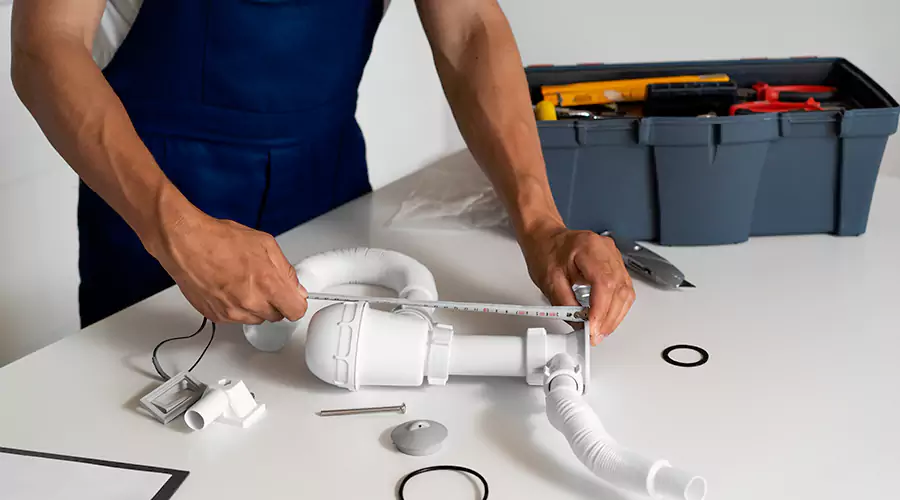
A home renovation is an exciting opportunity to transform your living space, but it also comes with risks, especially when it comes to your plumbing. Whether you are remodeling a bathroom, updating your kitchen, or tackling a full home makeover, your plumbing system can easily be overlooked or accidentally damaged during the process. Taking the right steps to protect and maintain your plumbing during a renovation can save you from expensive repairs and unexpected setbacks.
In this guide, you will find practical tips to keep your plumbing in top shape from the first day of demolition to the final finishing touches.
Why Plumbing Care Matters During a Renovation?
Renovations involve heavy construction activity, and your pipes, valves, and fixtures are more vulnerable than you might think. Common plumbing issues that arise during home renovations include:
- Accidentally punctured or cracked pipes behind walls
- Debris and construction materials clogging drains
- Shifted or disconnected pipe connections
- Water damage from improper fixture removal
- Unexpected leaks discovered once walls are opened up
Addressing these risks proactively will keep your renovation on schedule and protect your home.
Step 1: Plan Your Plumbing Before Construction Begins
The most important thing you can do before swinging a single hammer is to plan your plumbing layout carefully, keeping long-term plumbing maintenance in mind. If your renovation involves moving plumbing fixtures such as a sink, toilet, or shower, consult a licensed plumber during the planning phase. Your plumber can advise on:
- Whether your existing water supply lines can support the new layout
- The best location for drains based on your existing slope and venting
- Any permits required for plumbing changes in your area
Starting with a solid plumbing plan prevents expensive surprises mid-project.
Step 2: Locate and Shut Off the Right Valves
Before any demolition begins near plumbing, know exactly where your shutoff valves are located. Most homes have:
- A main shutoff valve that cuts water supply to the entire home
- Individual fixture shutoffs under sinks, behind toilets, and near appliances
Make sure every member of your renovation team knows where these valves are and how to operate them. Being able to shut off the water within seconds can prevent thousands of dollars in water damage.
Step 3: Protect Existing Pipes During Demolition
Demolition is the phase where plumbing is most at risk. Walls, floors, and ceilings often hide pipes that are not visible from the outside. Before any cutting, drilling, or knocking down of walls, take these precautions:
- Use a pipe detector or stud finder with pipe-sensing capability to locate pipes behind surfaces
- Mark pipe locations clearly with tape or chalk before any cutting begins
- Instruct all workers to proceed carefully in areas where pipes are known to run
- Avoid using power tools at full force near plumbing areas until the space is confirmed clear
If a pipe gets hit or damaged during demolition, stop work immediately and call a licensed plumber before proceeding.
Step 4: Keep Drains Protected from Construction Debris
One of the most common and preventable plumbing problems during a renovation is a clogged drain. Construction debris such as plaster dust, tile grout, cement, wood shavings, and drywall fragments can all make their way into open drains and cause serious blockages.
To prevent this:
- Cover all open drains with a drain plug or protective cap before work begins each day
- Never wash construction materials down sinks or floor drains
- Sweep and clean work areas regularly to prevent debris from accumulating near drain openings
- Use a bucket to dispose of cement, grout, and plaster mixtures off-site or in the trash
Even a small amount of grout or cement washed down a drain can harden and create a blockage requiring professional removal.
Step 5: Inspect Existing Plumbing While Walls Are Open
A renovation is a great opportunity to inspect plumbing that is normally hidden inside your walls and floors. Once surfaces are opened up, have a licensed plumber conduct a visual inspection of exposed pipes and connections. Look for:
- Signs of corrosion or rust on older metal pipes
- Leaking joints or fittings that may have been slowly dripping unnoticed
- Outdated pipe materials that should be upgraded
- Improper supports or hangers causing pipes to sag or shift
This is the perfect time to address hidden plumbing issues at a fraction of the cost it would take to reopen walls later.
Step 6: Update Fixtures and Connections the Right Way
If your renovation includes installing new sinks, toilets, showers, or appliances, make sure all connections are done correctly from the start. Improper installation is one of the leading causes of post-renovation plumbing leaks. Key best practices include:
- Always use Teflon tape or thread sealant on threaded connections
- Make sure all new fixtures are properly secured and level before connecting supply lines
- Test every new connection by running water and checking for drips before closing up walls
- Use the correct pipe size and material as specified by local building codes
When in doubt, hire a licensed plumber to handle fixture installations rather than risk a costly leak after walls are sealed.
Step 7: Schedule a Final Plumbing Inspection Before Closing Walls
Before you close up your walls and floors, schedule a final walkthrough with your plumber. This inspection ensures that:
- All new and existing connections are secure and leak-free
- Drain slopes are correct for proper flow
- Venting is properly connected and unobstructed
- Everything meets local code requirements
Getting this sign-off before walls are sealed protects you from having to reopen surfaces if a problem is discovered later.
Final Thoughts
Maintaining your plumbing during a home renovation takes careful planning, clear communication with your contractors, and the right precautions at each stage of the project. By protecting your pipes during demolition, keeping drains clear, inspecting exposed plumbing, and ensuring proper fixture installation, you can complete your renovation without a single plumbing headache.
A successful renovation starts and ends with a plumbing system that is built to last.
Frequently Asked Questions
How can I protect my plumbing system during a home renovation to avoid damage?
Before starting any renovation, it's essential to map out your plumbing system. Shut off the water supply to areas being worked on, and hire a professional to inspect and address any potential issues in the plumbing before the work begins.
Should I update my plumbing during a renovation, and if so, why?
A renovation is the perfect time to update old plumbing, especially in kitchens and bathrooms. Upgrading pipes, installing modern fixtures, and ensuring everything is up to code can prevent future issues and increase the efficiency of your plumbing system.
What are the most common plumbing mistakes homeowners make during a renovation?
Some common mistakes include neglecting to reroute pipes that may be in the way of new construction, failing to upgrade old piping systems, or improperly installing fixtures. It's important to hire professionals to avoid these costly errors.
How can I maintain water pressure and prevent leaks during a home renovation?
Regularly check the water pressure to ensure it remains within the optimal range. Using temporary shut-off valves, double-checking connections, and installing pressure regulators can help prevent leaks and maintain consistent pressure during renovations.
What steps should I take if my plumbing system is damaged during a home renovation?
If plumbing damage occurs, immediately stop work to prevent further water damage. Contact a licensed plumber to inspect and repair the issue promptly. Ensure that the plumbing system is thoroughly checked before completing the renovation.